
In the wake of Dolly Parton's death on Tuesday 25th August, I wanted to pay homage to her.
Personally, I love Dolly.
I own Dolly CDs and Dolly books. Back in 2020, during the height of the COVID-19 pandemic, I created a vision board and Dolly was right in the centre, beaming out from her patchwork Coat of Many Colors.
Over these past few days, like so many people around the world, I’ve found myself grieving and pulled into a Dolly wormhole - photos, old interviews and catalogues of music.
And I discovered something that really surprised me.
Did you know that Dolly Parton used hypnotherapy?
Because I didn’t…
Dolly Parton - country music legend, philanthropist, actress, businesswoman, icon of big blonde wigs and rhinestones - worked with renowned hypnotherapist Gil Boyne.
The “Hypnotherapist to the Stars” is reported to have specifically helped Dolly manage pre-show nerves, grow her confidence and hone her creative flair.
Who knew, right?
But the more I thought about Dolly’s approach to life, the more her relationship with hypnotherapy started to make complete sense to me, because so many of Dolly’s beliefs are beautifully aligned with the principles I use in hypnotherapy.
In this blog, I’m going to highlight 10 fundamental principles of hypnotherapy and celebrate how Dolly Parton embodies them (number six is my personal favourite!).
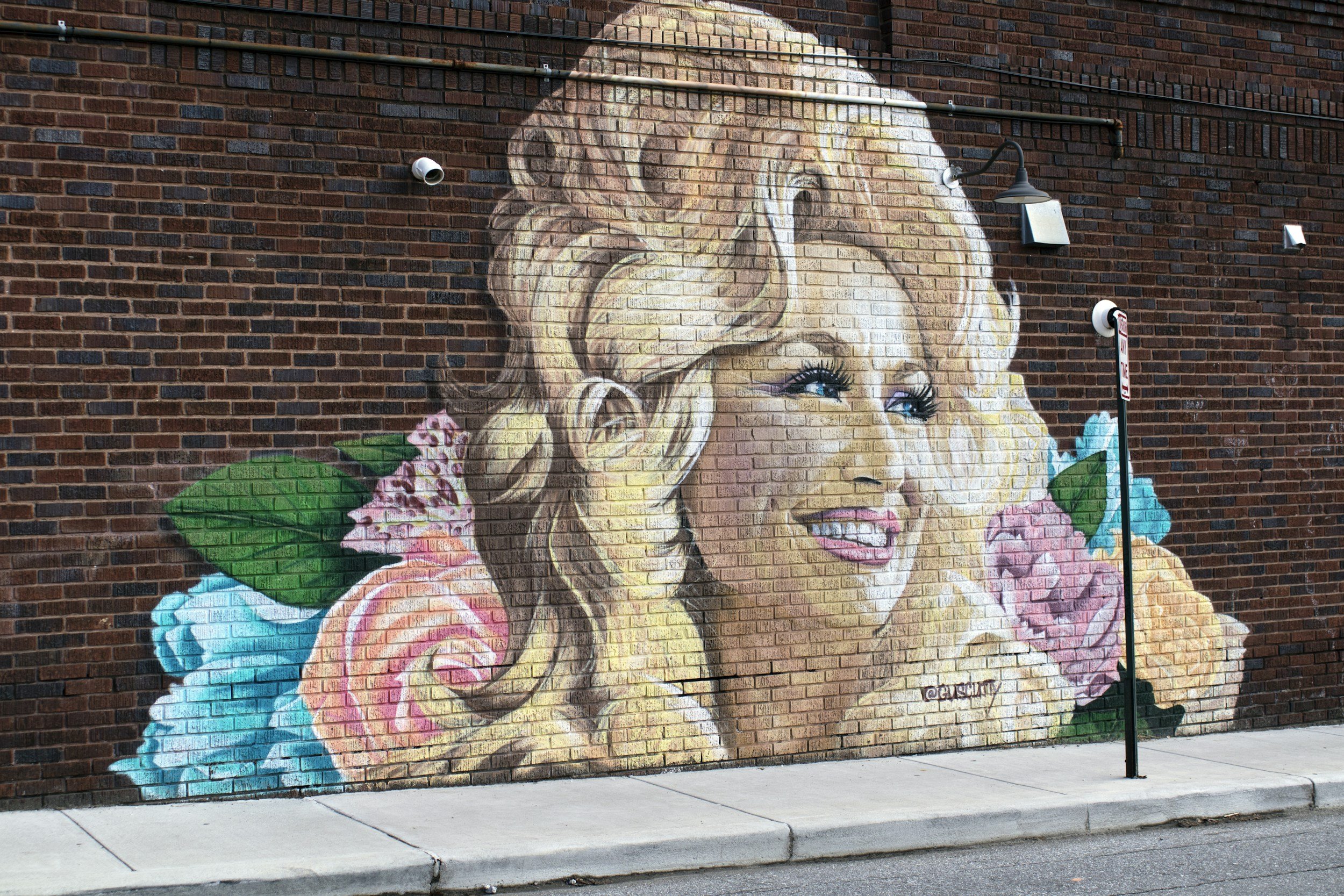
1. Reframing
“One is only poor if they choose to be.”
One of my favourite things about Dolly is her ability to reframe.
Take her song Coat of Many Colors. Dolly tells the story of her mother making her a coat from scraps of fabric because the family couldn’t afford to buy one.
But Dolly didn’t choose to tell a story about poverty. Dolly saw the coat as something precious - it represented her mother’s love, creativity and resourcefulness. Other children might have seen a ragged coat, but Dolly saw beauty.
In hypnotherapy, we often explore the stories we’ve been telling ourselves and ask, “Is there another way of looking at this?”
We’re not pretending something difficult didn’t happen. We’re simply recognising that the meaning we attach to an experience can change.
And sometimes, changing the story changes everything.
2. Repetition
“If you tell yourself enough nice things, eventually, you'll believe them too.”
This is basically neuroplasticity in a Dolly-sized nutshell.
Our brains learn through repetition.
The thoughts we think repeatedly become easier to think. The behaviours we repeat become easier to perform. And the stories we repeatedly tell ourselves can start to feel like facts.
This is why positive self-talk, affirmations and hypnosis recordings can be so useful. If you spend years telling yourself, “I’m not good enough,” those pathways become well worn.
So what happens when we start practising something different? What happens if we repeatedly tell ourselves, “I am enough”?
What we repeat matters.
And as Dolly understood only too well, the more you repeat something, eventually you might just believe it.
3. Dreams
“Do not confuse dreams with wishes. There is a difference. Dreams are where you visualize yourself being successful at what's important to you to accomplish.”
Dolly has always spoken about the difference between simply wishing for something and having a dream that you visualise and actively work towards.
And this is something that is practised in hypnotherapy too - visualisation and small, simple steps towards your goal.
At the end of every hypnotherapy session, I ask: What is your focus or goal for the week ahead?
Because hypnotherapy is about creating harmony between the conscious and subconscious mind.
We use hypnosis and personalised audio recordings to work with the subconscious, while the conscious mind is given something practical to focus on — a small, simple step towards the life you want.
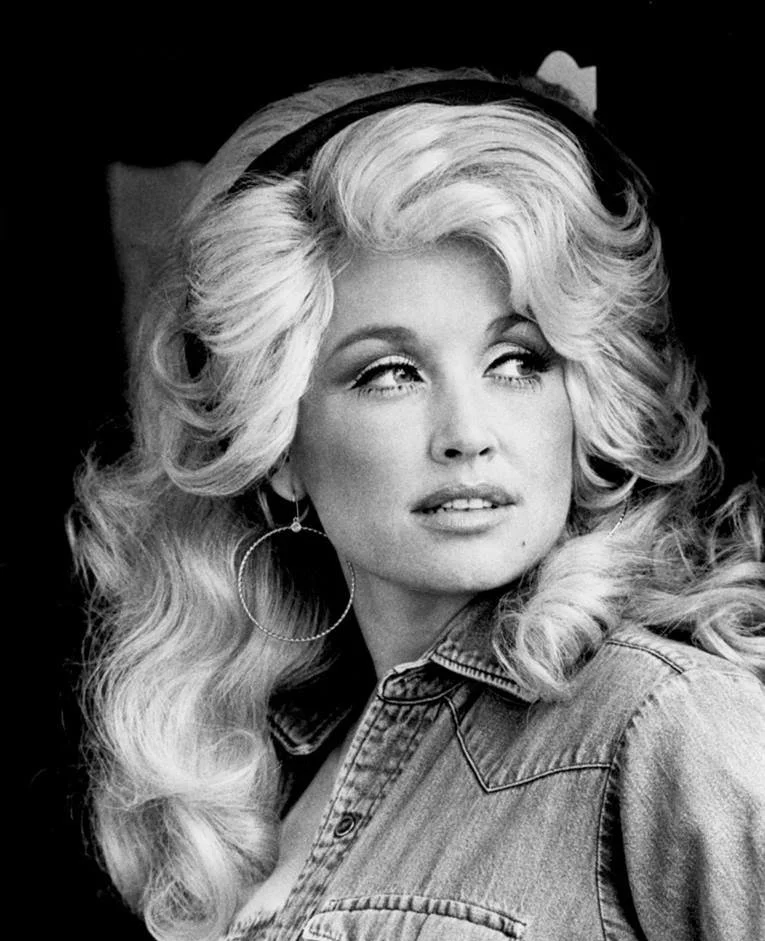
4. Mindfulness
“Love is like a butterfly
As soft and gentle as a sigh
The multicolored moods of love are like its satin wings.”
Dolly has an extraordinary ability to notice the small, simple things - butterflies, rainbows and tiny moments of connection.
And paying attention is such a skill.
When we’re stressed, anxious or burnt out, our attention can become incredibly narrow.
We notice the problems: the emails, the deadlines, the never-ending to-do list.
Hypnotherapy helps us slow everything down and reconnect with the present moment.
Sometimes we don’t need to change our entire lives.
Sometimes we just need to slow down enough to notice the beautiful things that are already there.
5. Gratitude
“I always count my blessings before I count my money.”
Dolly is a huge advocate for gratitude.
And I love that her examples of gratitude are often incredibly ordinary: smelling the air after a heavy bout of rain, re-reading a favourite book, enjoying a cup of coffee with her sister.
Gratitude doesn’t have to be grand.
In hypnotherapy, I encourage clients to keep gratitude journals to help them notice what they feel positive about, what they’ve achieved and what they’re looking forward to.
Not because we’re pretending everything is wonderful, but because our brains have a natural negativity bias.
Naturally, we’re very good at noticing what’s wrong. Gratitude gives us an opportunity to deliberately notice what’s going well too.
6. Rest
“In my Tennessee mountain home
Life is as peaceful as a baby's sigh
In my Tennessee mountain home
Crickets sing in the fields nearby.”
Dolly is famous for working incredibly hard, but she also understood the value of protecting her peace.
And this is something I feel very passionate about.
Rest isn't laziness.
Rest isn't something you have to earn.
Rest is a requirement for living a happy and healthy life.
In hypnosis, I guide people into a deeply relaxed state of focused attention and, for some people, it can be one of the first times in a very long time that they genuinely allow themselves to switch off.
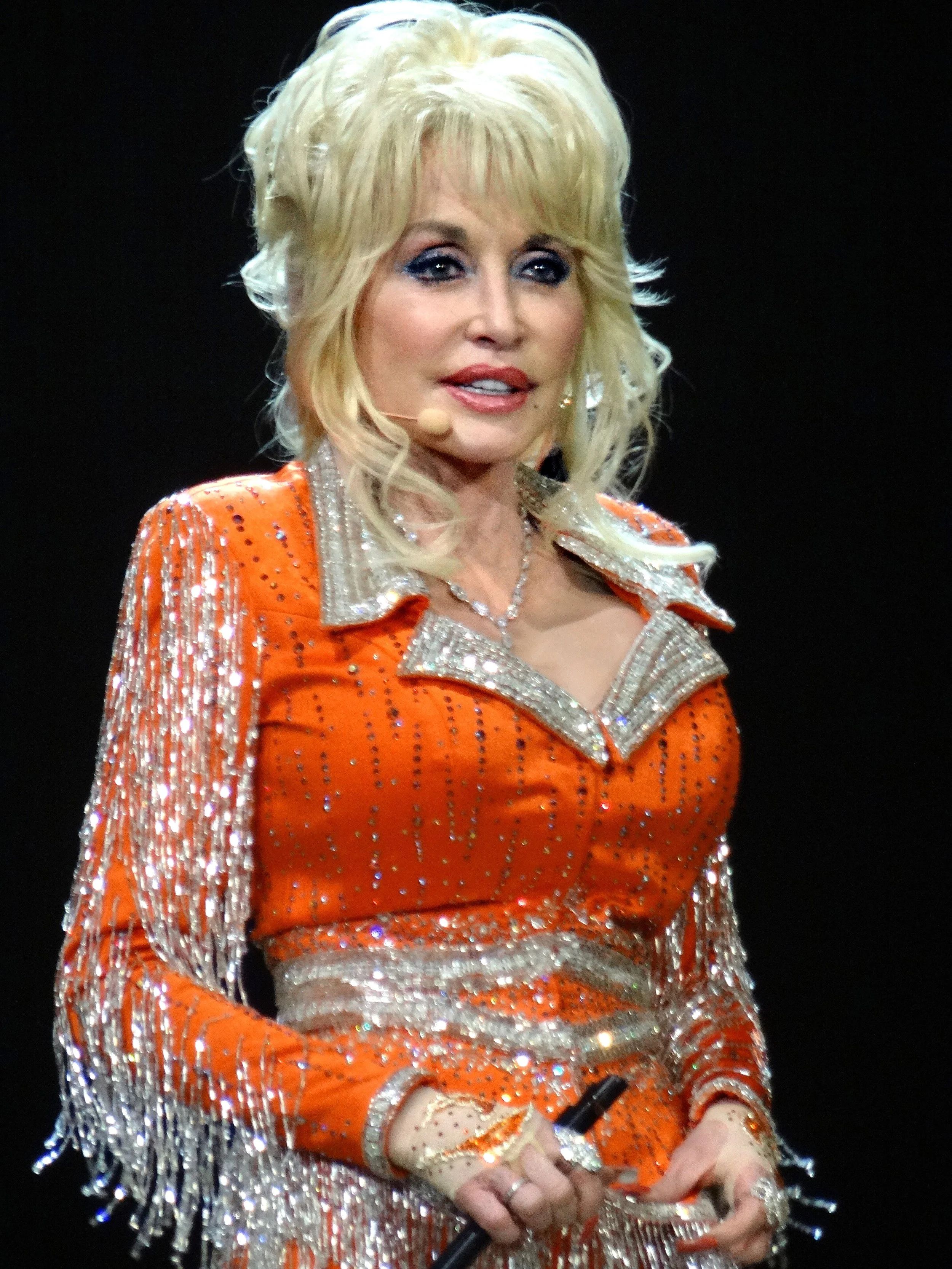
7. Joy
“If you see someone without a smile, give them one of yours.”
Dolly has always understood that life isn't just about productivity.
It’s about having a laugh too!
Whether she was making fun of herself, telling one of her cheeky stories or simply being completely unapologetically herself, Dolly radiated warmth, wit and a playful energy.
When I work with people experiencing stress, anxiety or burnout, we often talk about reconnecting with our inner child and making space for joy.
Because what is the point of becoming less stressed if you’re still not making space for the things that make you truly happy?
8. Rewiring
“If you don’t like the road you’re walking, start paving another one.”
I think this might be one of the best Dolly quotes for hypnotherapy of all time.
Because ultimately, that’s what we’re doing throughout the hypnotherapy process - we’re creating another road.
Imagine walking through a wild meadow where the grass is long and the flowers are unruly. The first time you walk through it, the grass springs back.
But walk the same route every day and a path begins to form. Walk it for years and it becomes the obvious, automatic route.
That’s how habits and emotional patterns develop.
Not because you’re broken, but because your brain is efficient - it repeats what is familiar.
Hypnotherapy helps us begin creating new pathways, new thoughts, new responses and new ways of being. And through repetition, the new road becomes easier to walk.
You’re allowed to do things differently.
You’re allowed to walk down a new path.
Dolly understood this intrinsically.
9. Authenticity
“Find out who you are, and do it on purpose.”
So much of the work I do with people around stress, anxiety, burnout and breaking habits eventually comes back to this one thing:
Who are you underneath it all?
Sometimes the reason we drink too much alcohol, smoke, vape, comfort eat, overwork or people-please is because we’ve become disconnected from ourselves.
But when we begin reconnecting with our authentic selves, some of those old coping mechanisms can start to lose their grip.
Dolly was an inspiration for living unapologetically as herself.
May we all be a little more like Dolly.
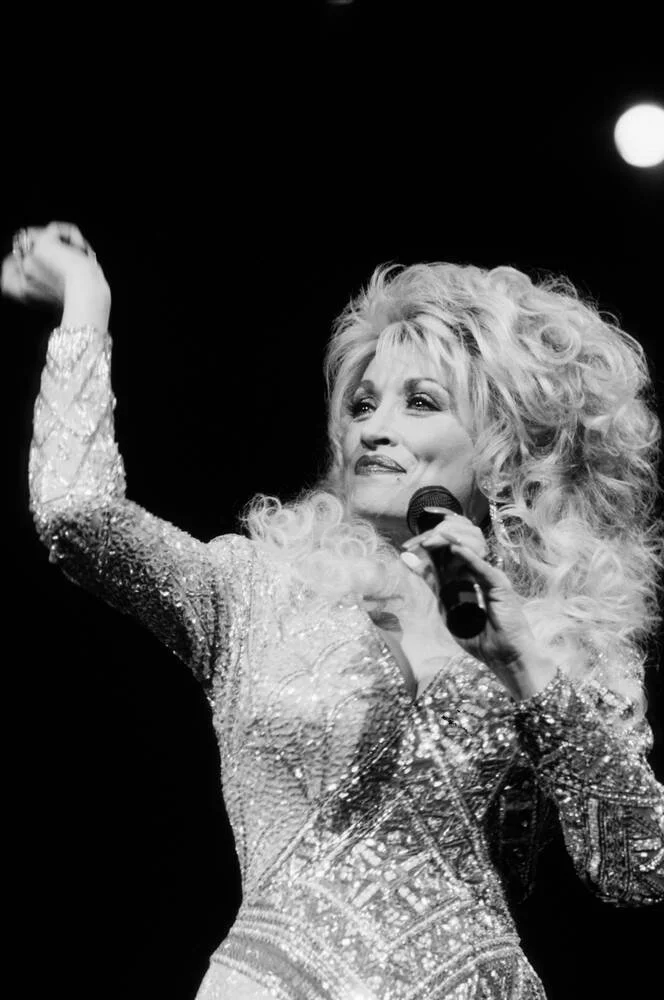
10. Empathy
“I do not judge.”
Dolly’s philanthropic work, from the Dollywood Foundation and Imagination Library to disaster relief and medical research, demonstrates her extraordinary commitment to helping other people.
And empathy is at the heart of helping.
Therapy isn't about judging someone. It’s about understanding them.
Most of the habits we develop started as attempts to help us cope with something. People come to work with me when they realise that these old habits are not serving them anymore.
But that doesn't mean we need to shame or blame.
I meet the people I work with with curiosity and compassion, and I encourage them to meet themselves in this way too.
It all starts with empathy.
Thank You, Dolly.
Thank you for the music.
Thank you for the love and light.
Thank you for encouraging us all to visualise, dream and pursue.
Thank you for being unapologetically you and encouraging us all to be unapologetically us.
Thank you for showing us that you can work incredibly hard and still make space for rest and joy.
Thank you for turning pain into art and choosing a positive perspective.
Thank you, Dolly, for everything.